
Saunas have been used for centuries now. They are quite popular due to their ability to relax the body, calm the mind, and promote overall well-being. They have originated from Nordic traditions. There, the communities used to gather in small wooden huts heated with hot stones. But today, saunas have become a global wellness staple. People are enjoying sauna's health benefits, whether at a luxury spa or gym. The benefits of sauna range from relaxation to improved circulation.
But not all saunas are the same. The debate of steam sauna vs dry sauna makes people wonder about the difference between them and which one is better. Wet sauna experience and dry sauna experience, both have their unique health perks, and may also feel worlds apart.
So, let’s discuss the differences, benefits, and which one is the best fit for your lifestyle.
What is a Wet Sauna?
A wet sauna is also known as a steam sauna. It uses moisture to create the atmosphere. It doesn’t blast you with high heat, but a soothing steam that is generated by pouring water over heated stones or a steam generator.
Sauna Temperature Differences: Wet saunas generally run at 100-120℉, with approximately 100% humidity.
Materials & Setup: Wet saunas are built using tiles, glass, or acrylic due to the high moisture. These materials help resist mold and dampness.
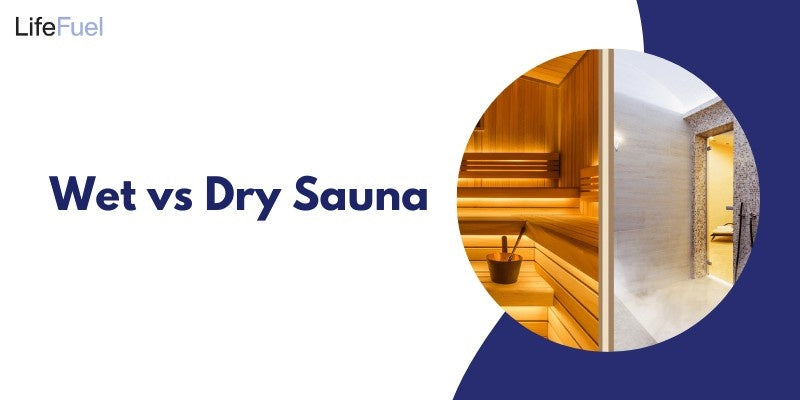
Wet Sauna Experience: Wet saunas wrap you in a dense, misty cloud. This makes your skin hydrated. It also helps you breathe easily due to warm, moist air.
What is a Dry Sauna?
A dry sauna is generally heated by burning wood or using electric heaters. Occasionally, water is poured over the rocks in a dry sauna. But still, a dry heat environment is maintained.
Sauna Temperature Differences: Dry saunas operate at much hotter than the wet saunas. The temperature generally ranges between 160-200℉. The humidity levels generally are as low as 5-20%.
Materials & Setup: Dry saunas are generally built using cedar or spruce wood. This gives sauna the authentic aroma.
Dry Sauna Experience: The heat in dry sauna generally feels sharper but less suffocating tha steam. You’ll get a steady sweat in dry sauna. But many people feel that crisp, dry heat energizing rather than heavy.
Key Differences Between Wet and Dry Saunas
The following differences comes up when we talk about steam sauna vs dry sauna:
Key Point |
Wet Sauna |
Dry Sauna |
Humidity Levels |
High humidity (100%) |
Low humidity (5-20%) |
Temperature Range |
100-120℉ |
160-200℉ |
Sweat Intensity |
Quick surface-level sweat |
Deep, steady sweating |
Rerspiratory Effects |
Steam soothes airways |
Harder for sensitive lungs |
Skin Feel |
Hydrated skin |
Dehydrated skin |
Heating Source |
Steam generator |
Electric/wood heater |
Sensory Experience |
Cloud-like mist |
Desert-like heat |
Session Duration |
10-15 minutes |
15-20 minutes |
Maintainance Needs |
More cleaning |
Wood care |
Energy Consumption |
Use more energy |
More efficient |
Health Benefits of Wet Saunas
The wet sauna experience is therapeutic along with relaxing:
Sauna for Relaxation: The warmth and steam of wet sauna melt away the stress. It also creates a calming spa-like atmosphere.
-
Respiratory Relief: Steam is helpful in easing breathing. So, wet saunas are ideal for:
Sinus congestion
Asthma
Allergies
Sauna Skin Benefits: Steam provides a fresh glow to your skin as it:
Hydrates skin
Hydrates open pores
Improves circulation
Health Benefits of Dry Saunas
The dry sauna experience has many benefits:
-
Sauna Cardiovascular Benefits: Regular dry sauna helps:
Improve blood circulation
Support heart health
Mimic light cardio exercise
Muscle Recovery & Pain Relief: Dry sauna helps athletes by easing there soreness and speeding recovery.
Sauna Detox Benefits: Dry sauna causes steady, deep sweating. This sweat help flush out impurities and support body’s natural cleansing process.
Which Sauna is Right for You?
The choice between stem sauna bs dry sauna is not only about heat preferences, but about your:
Health
Comfort
Lifestyle
You must need to think about the following factors:
1. Considerations for Beginners
You should start slow if you’re new to the sauna culture. A wet sauna experience may feel gentle due to low temperature, but it can be overwhelming at first due to high humidity. Whereas, a dry sauna experience may feel easy to breathe for longer durations even having high temperatures. This is because of the low humidity levels. If you’re a beginner, you must start with shorter sessions (5-10 minutes). Increase the duration gradually for both the saunas.
2. Health Conditions to Consider
If you’re having certain health conditions, you must be specific about choosing the right sauna for you. Steam sunas may be soothing as moist air opens the airways for the people with:
Asthma
Allergies
Sinus issues
The dry saunas are perfect if you’re looking for sauna cardiovascular benefits like:
Improved circulation
Better heart health
You must consult a doctor if you have high blood pressure, heart conditions, or are pregnant.
3. Personal Preference Factors
At last, choice of sauna comes down to what makes you feel good. Do you prefer spa-like, hydrating effect of steam? Or do you prefer crisp, intense heat of dry sauna? Both have their own sauna health benefits. So, the best will be the one that you’ll use consistently.
And don’t forget: there’s also the infrared vs traditional sauna option, where infrared saunas use light to heat your body directly. They run at lower temperatures (120–140°F) and are often praised for joint pain relief and gentle detox. While not the same as dry or wet saunas, they’re worth considering if you want a different kind of heat therapy.
Sauna Usage Tips
To maximize sauna health benefits, keep these tips in mind:
Session Length: 10–20 minutes is usually ideal.
Frequency: 2–4 times a week works for most people.
Hydration: Drink water before and after to prevent dehydration.
Safety: Avoid alcohol, and consult a doctor if you have heart conditions or other health concerns.
Conclusion
When comparing steam sauna vs dry sauna, there’s no one-size-fits-all winner.
Go for a wet sauna experience if you love steam, hydration, and respiratory relief.
Opt for a dry sauna experience if you want sauna cardiovascular benefits, improved muscle recovery, and a traditional Nordic vibe.
Both deliver unique sauna health benefits, from relaxation to improved circulation to glowing skin. And if you’re curious, you can even explore infrared vs traditional sauna options for a different spin on heat therapy.
In the end, the right choice depends on your personal comfort, health goals, and how you enjoy your time in the heat. Whichever you choose, saunas remain one of the most powerful and enjoyable ways to unwind, recharge, and invest in long-term wellness.



Leave a comment
This site is protected by hCaptcha and the hCaptcha Privacy Policy and Terms of Service apply.